Loading…
Ceraph
When Ceraph was originally released in November of 2024, Emma Piercy’s debut made an immediate impression. Its flared serifs auspiciously anticipated the current zeitgeist, while its whiplash forms, referencing engraved Roman capitals, Art Deco hand lettering, and classic calligraphy, were uniquely combined, lending Ceraph an unmistakable look and feel. Since then, Ceraph has taken on a life of its own.
Initially released in a single weight best-suited for display and headline applications, it became a multimedia darling, finding widespread main-character use in fashion, music and literary contexts. Now a full-fledged family, Ceraph expands with multiple weights and styles. The original weight—aka Regular—is joined by Thin, Light, Medium, Semi-Bold, and Bold weights, complementary italics, OmniLatin support, and, of course, a treasure chest of contextual alternates.
Initially released in a single weight best-suited for display and headline applications, it became a multimedia darling, finding widespread main-character use in fashion, music and literary contexts. Now a full-fledged family, Ceraph expands with multiple weights and styles. The original weight—aka Regular—is joined by Thin, Light, Medium, Semi-Bold, and Bold weights, complementary italics, OmniLatin support, and, of course, a treasure chest of contextual alternates.
Design: Emma Piercy | Weight Expansion: Matthijs Herzberg, Lucas Sharp with Léna Le Pommelet | Engineer: Calvin Kwok | Kerning: Igino Marini
Version History
2.000▼
▼
CELEBORN
VALHALLA
▼
▼
ESGAROTH
ÉOTHÉOD
▼
▼
LOTHLÓRIEN
FANGORN
▼
▼
TERRAINS
RAMMAS
▼
▼
ENTWIVES
WESTERN
▼
▼
LONGINUS
BALCLOTH
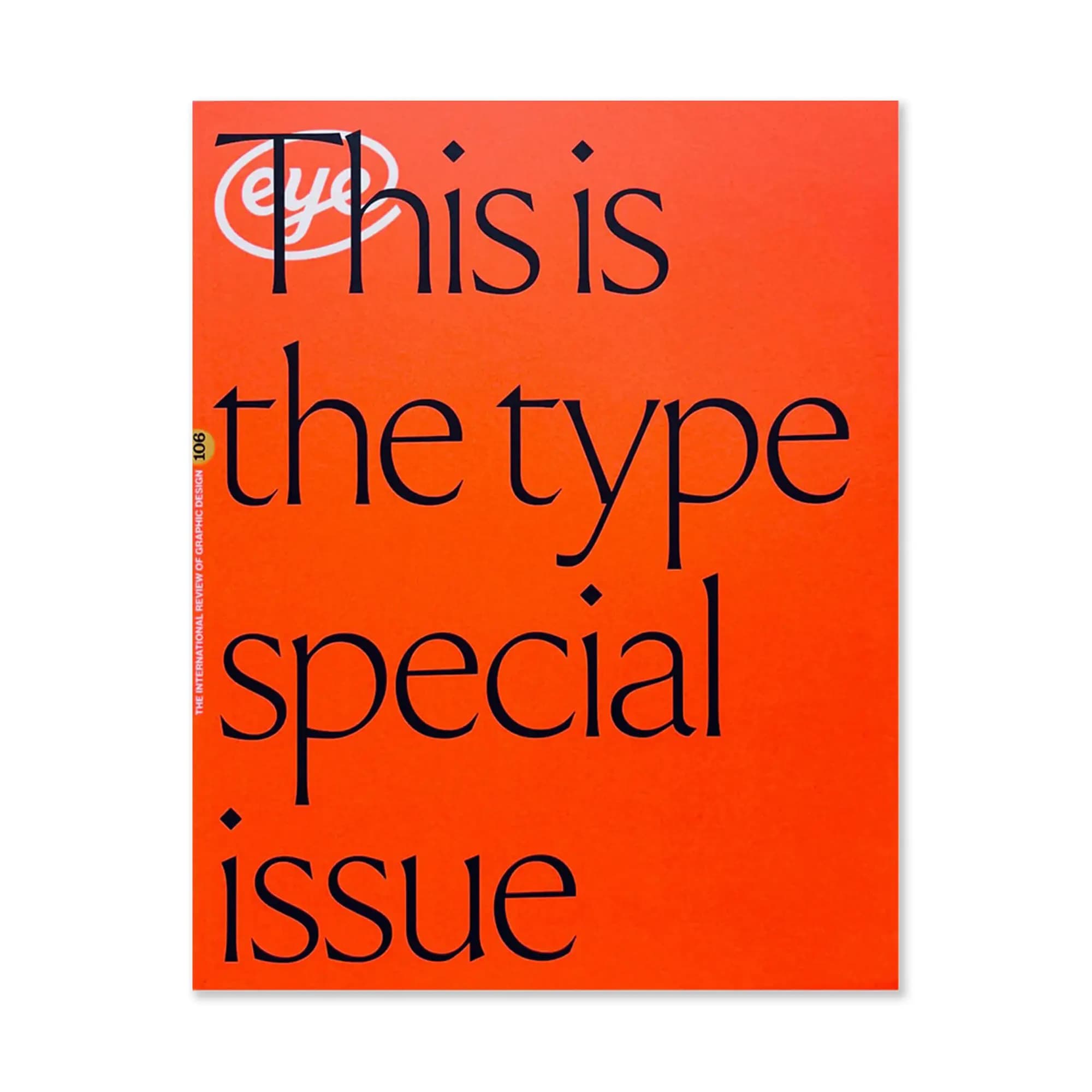
Ceraph Featured on the cover of Eye Magazine.
▼
▼
Valinorean
Telimbektar
▼
▼
Hyarrostar
Calaquendi
▼
▼
Dolguldur
Telumendil
▼
▼
Rhosgobel
Eredlindon
▼
▼
Soronúme
Wilderland
▼
▼
Arthedain
Nisimaldar
Loading…
200
▼
▼
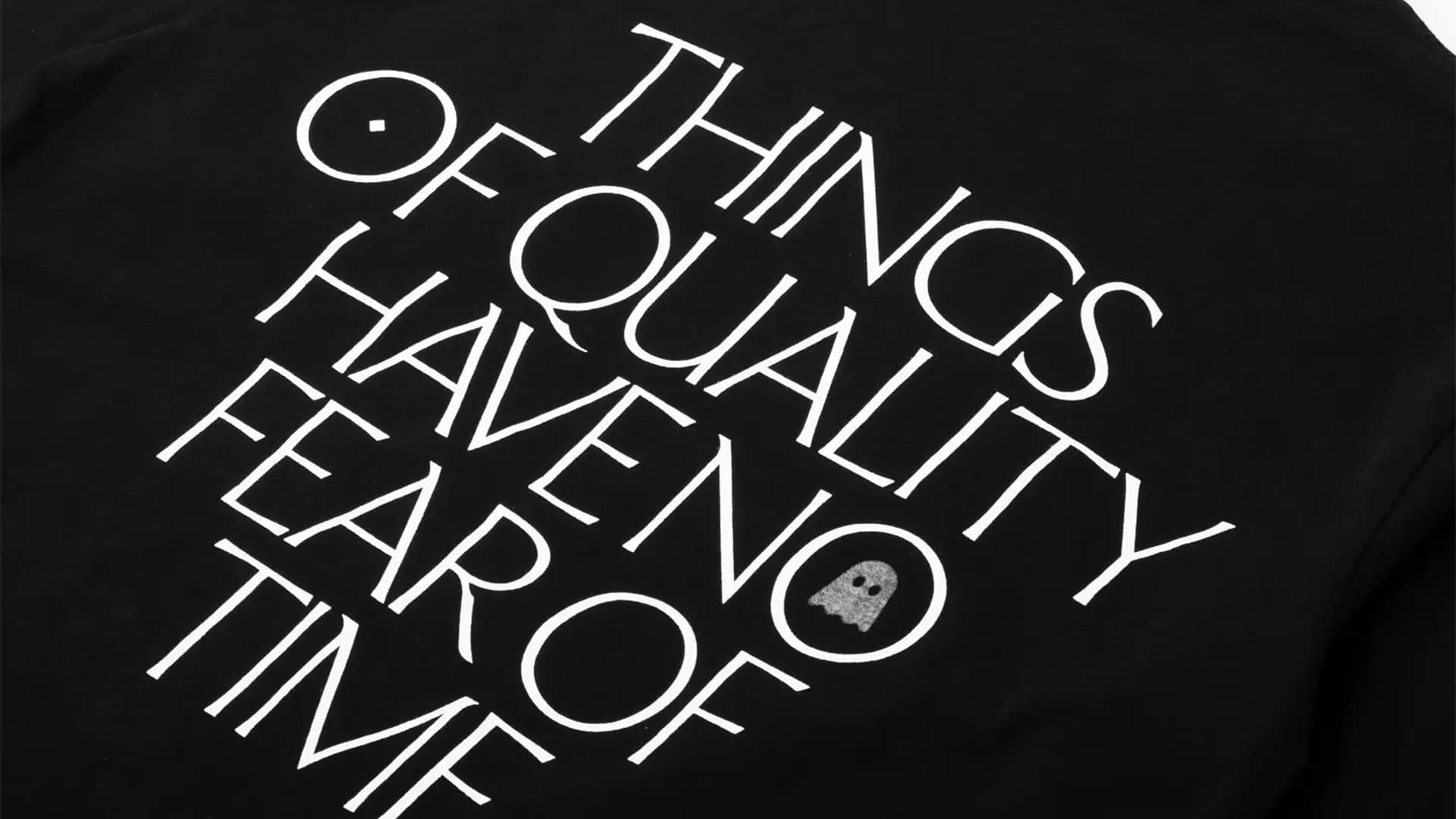
Ceraph in use for Ghostly International
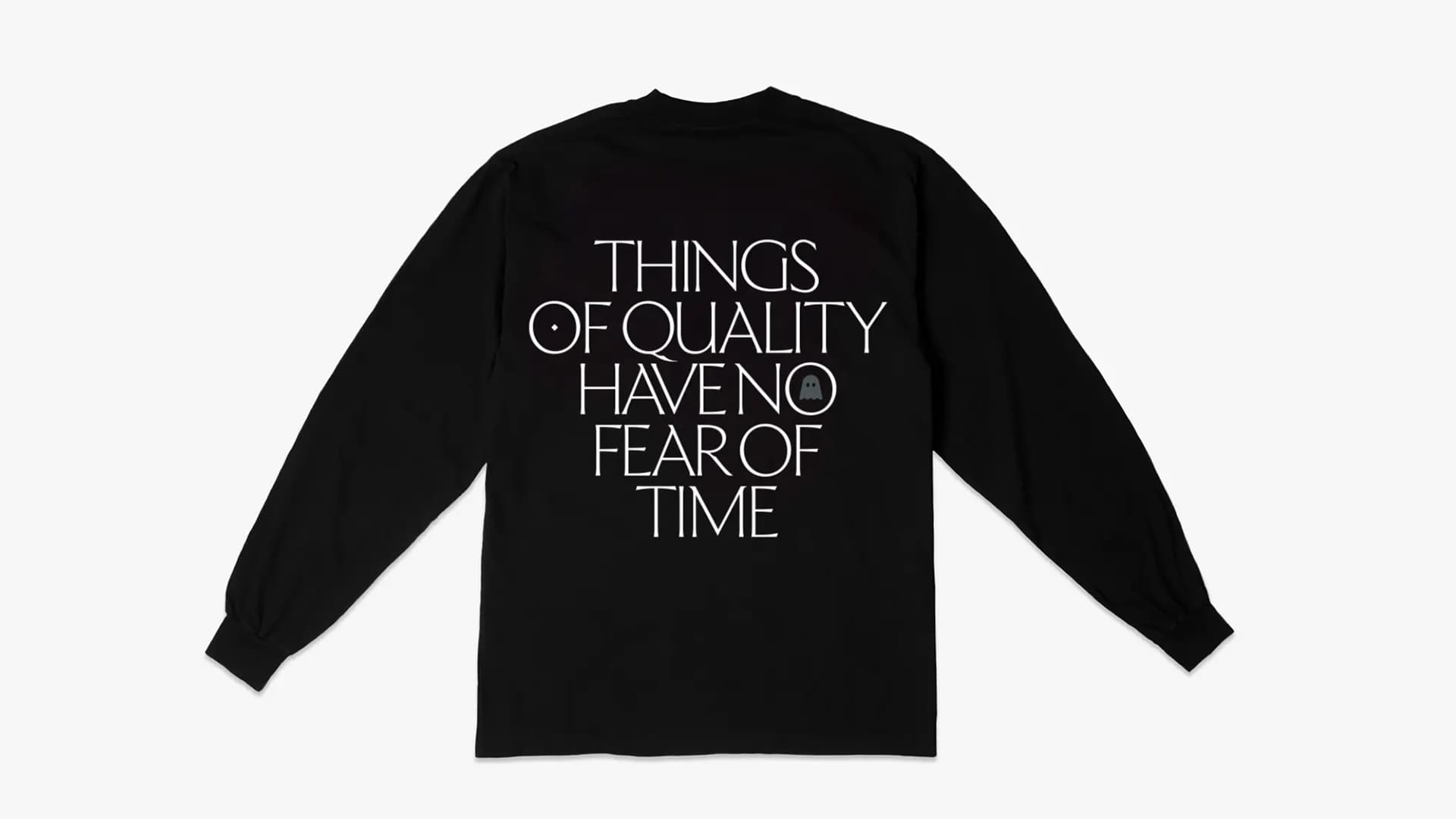
Ceraph in use for Ghostly International
Bold
THINGS OF QUALITY HAVE NO FEAR OF TIME
Bold
55
MYSTICISM is popularly known as becoming one with GOD or the ABSOLUTE, but may refer to any kind of ecstasy or altered state of consciousness which is given a religious or spiritual meaning. It may also refer to the attainment of insight in ultimate or hidden truths, and to human transformation supported by various practices and experiences.
Bold
30
According to Peter Moore, the term mysticism is problematic but indispensable. It is a generic term which joins together into one concept separate practices and ideas which developed separately. According to Dupré, mysticism has been defined in many ways, and Merkur notes that the definition, or meaning, of the term "mysticism" has changed through the ages. Moore further notes that the term mysticism has become a popular label for "anything nebulous, esoteric, occult, or supernatural". Parsons warns that "what might at times seem to be a straightforward phenomenon exhibiting an unambiguous commonality has become, at least within the academic study of religion, opaque and controversial on multiple levels".
Bold Italic
30
Deriving from Neo-Platonism and Henosis, mysticism is popularly known as union with God or the Absolute. In the 13th century the term unio mystica came to be used to refer to the "spiritual marriage", the ecstasy, or rapture, that was experienced when prayer was used "to contemplate both God's omnipresence in the world and God in his essence." In the 19th century, under the influence of Romanticism, this "union" was interpreted as a "religious experience", which provides certainty about God or a transcendental reality. McGinn notes that the term unio mystica, although it has Christian origins, is primarily a modern expression. McGinn argues that "presence" is more accurate than "union", since not all mystics spoke of union with God, and since many visions and miracles were not necessarily related to union. He also argues that we should speak of "consciousness" of God's presence, rather than of "experience", since mystical activity is not simply about the sensation of God as an external object, but more broadly about "new ways of knowing and loving based on states of awareness in which God becomes present in our inner acts." However, the idea of "union" does not work in all contexts. For example, in Advaita Vedanta, there is only one reality (Brahman) and therefore nothing other than reality to unite with it—Brahman in each person (atman) has always in fact been identical to Brahman all along. Dan Merkur also notes that union with God or the Absolute is a too limited definition, since there are also traditions which aim not at a sense of unity, but of nothingness, such as Pseudo-Dionysius the Areopagite and Meister Eckhart.
Bold
20
The related form of the verb (mueó or myéō) appears in the New Testament. As explained in Strong's Concordance, it properly means shutting the eyes and mouth to experience mystery. Its figurative meaning is to be initiated into the "mystery revelation". The meaning derives from the initiatory rites of the Greco-Roman mysteries. Also appearing in the New Testament is the related noun (mustérion or mystḗrion), the root word of the English term "mystery". The term means "anything hidden", a mystery or secret, of which initiation is necessary. In the New Testament it reportedly takes the meaning of the counsels of God, once hidden but now revealed in the Gospel or some fact thereof, the Christian revelation generally, and/or particular truths or details of the Christian revelation. Dan Merkur also notes that union with God or the Absolute is a too limited definition, since there are also traditions which aim not at a sense of unity, but of nothingness, such as Pseudo-Dionysius the Areopagite and Meister Eckhart. Deriving from Neo-Platonism and Henosis, mysticism is popularly known as union with God or the Absolute. In the 13th century the term unio mystica came to be used to refer to the "spiritual marriage", the ecstasy, or rapture, that was experienced when prayer was used "to contemplate both God's omnipresence in the world and God in his essence." In the 19th century, under the influence of Romanticism, this "union" was interpreted as a "religious experience", which provides certainty about God or a transcendental reality.
Bold Italic
20
McGinn notes that the term unio mystica, although it has Christian origins, is primarily a modern expression. McGinn argues that "presence" is more accurate than "union", since not all mystics spoke of union with God, and since many visions and miracles were not necessarily related to union. He also argues that we should speak of "consciousness" of God's presence, rather than of "experience", since mystical activity is not simply about the sensation of God as an external object, but more broadly about "new ways of knowing and loving based on states of awareness in which God becomes present in our inner acts." However, the idea of "union" does not work in all contexts. For example, in Advaita Vedanta, there is only one reality (Brahman) and therefore nothing other than reality to unite with it—Brahman in each person (atman) has always in fact been identical to Brahman all along. Dan Merkur also notes that union with God or the Absolute is a too limited definition, since there are also traditions which aim not at a sense of unity, but of nothingness, such as Pseudo-Dionysius the Areopagite and Meister Eckhart. Deriving from Neo-Platonism and Henosis, mysticism is popularly known as union with God or the Absolute. In the 13th century the term unio mystica came to be used to refer to the "spiritual marriage", the ecstasy, or rapture, that was experienced when prayer was used "to contemplate both God's omnipresence in the world and God in his essence." In the 19th century, under the influence of Romanticism, this "union" was interpreted as a "religious experience", which provides certainty about God or a transcendental reality.

▼
▼
SemiBold
WHAT IS DARK WITHIN ME
ILLUMINATE - John Milton
SemiBold
30
In mystic states we both become one with the Absolute and we become aware of our oneness. This is the everlasting and triumphant mystical tradition, hardly altered by differences of clime or creed. In Hinduism, in Neoplatonism, in Sufism, in Christian mysticism, in Whitmanism, we find the same recurring note, so that there is about mystical utterances an eternal unanimity which ought to make a critic stop and think, and which bring it about that the mystical classics have, has been said, neither birthday nor native land. Most of William James's ancestors arrived in America from Scotland or Ireland in the 18th century. Many of them settled in eastern New York or New Jersey. All of James's ancestors were Protestant, well educated, and of character. Within their communities, they worked as farmers, merchants, and traders who were all heavily involved with their church. The last ancestor to arrive in America was William James's paternal grandfather also named William James.
SemiBold Italic
30
Mysticism involves an explanatory context, which provides meaning for mystical and visionary experiences, and related experiences like trances. According to Dan Merkur, mysticism may relate to any kind of ecstasy or altered state of consciousness, and the ideas and explanations related to them. Parsons stresses the importance of distinguishing between temporary experiences and mysticism as a process, which is embodied within a "religious matrix" of texts and practices. Richard Jones does the same. Peter Moore notes that mystical experience may also happen in a spontaneous and natural way, to people who are not committed to any religious tradition. These experiences are not necessarily interpreted in a religious framework. Ann Taves asks by which processes experiences are set apart and deemed religious or mystical. Some authors emphasize that mystical experience involves intuitive understanding of the meaning of existence and of hidden truths, and the resolution of life problems. According to Larson, "mystical experience is an intuitive understanding and realization of the meaning of existence." According to McClenon, mysticism is "the doctrine that special mental states or events allow an understanding of ultimate truths." ccording to James R. Horne, mystical illumination is "a central visionary experience hat results in the resolution of a personal or religious problem."
SemiBold
20
Toji Suzuhara exists to make the cost concrete. He punches Shinji in episode three because his little sister was hurt in the first Angel battle, then apologises by letting Shinji hit him back. He is selected as the Fourth Child without Shinji's knowledge, is assigned Unit-03, and is inside it when the Angel Bardiel takes the unit over during activation. Shinji refuses to fight it. Gendo activates the Dummy Plug and Unit-01 tears the thing apart with Toji in the entry plug. In the television version he survives, maimed. The manga and the Rebuild films handle him differently, and the film series in particular walks the outcome back. Kensuke Aida is the military otaku who wants desperately to pilot and is never chosen. He is a small self-portrait of the audience the show was aimed at, and the series treats him with more affection than irony, though it never gives him what he wants.
SemiBold Italic
20
Ryoji Kaji is a triple agent: nominally Nerv inspection, actually reporting to the Japanese government and to Seele, actually pursuing his own investigation into what Gendo is really building. He is the only adult who tells the children the truth when asked, which is why his death matters. He shows Shinji his watermelon patch, delivers the evidence of Adam to Misato, and is shot by an unseen party; the series never identifies the shooter. His relationship with Misato — abandoned years earlier because she recognised her father in him — is the show's one adult romance, and it is conducted entirely in the past tense. Her relationship with Shinji is the most legible and least resolvable thing in the show: two children who need each other and can only express it as contempt. Sadamoto has said their dynamic was initially modelled on Jean and Nadia from Nadia: The Secret of Blue Water, which makes the darkening instructive — the same template, run by someone in a much worse state of mind.
▼
▼
Medium
THE LANCE OF LONGINUS
NAMED FOR THE CRUCIFIX SPEAR
Medium
55
Gainax began as a circle of science fiction fans around Osaka and Tokyo in the late 1970s and early 1980s. Their calling card was a pair of short films made for the Nihon SF Taikai conventions: the opening animations for Daicon III (1981) and Daicon IV (1983). These were amateur productions in the strict sense
Medium
30
Rei's own subplot is about whether a person made as a tool can decline the role. She is described as plagued by worthlessness that follows from understanding she is expendable — replaceable in the most literal sense available in fiction. Her body carries Lilith's soul; her face carries Yui's; her loyalty is to Gendo. At the climax of The End of Evangelion she refuses him, says she is not his doll, and hands Instrumentality to Shinji instead. It is the only unambiguous act of self-determination by any character in the film, and it is performed by the character least entitled to one.
Medium Italic
30
Anno described Rei as his own deepest part, and said his original plan had been to write her as a schizophrenic character. Commercially she became the show's centre of gravity almost immediately — first in Animage's 1995 and 1996 female character polls, and dubbed "Premium Girl" by the press because books with her on the cover sold so well. Her design and affect were copied relentlessly across the late 1990s, producing a whole stock type of quiet, pale, emotionally sealed girls in other people's shows.
Medium
20
His reputation as an animator was made before he ever directed. He worked on The Super Dimension Fortress Macross, and in 1984 Hayao Miyazaki hired him, essentially off the strength of a drawing, to animate the God Warrior sequence in Nausicaä of the Valley of the Wind — the melting giant is Anno's work. He has named both the Nausicaä film and the manga as major influences on Evangelion. His first directing credit was Gunbuster (1988), which already contains the later material in embryo: a girl who cannot perform, a mentor who pushes her, an ending that abandons plot for feeling and drops into black and white. Angels. Seventeen in total, named for beings from Jewish angelology: Sachiel, Shamshel, Ramiel, Gaghiel, Israfel, Sandalphon, Matarael, Sahaquiel, Ireul, Leliel, Bardiel, Zeruel, Arael, Armisael, Tabris. The names are mostly drawn from rabbinical and grimoire sources and assigned with limited regard for the original attributes, though several fit uncomfortably well — Leliel, associated with night, arrives as a sphere of shadow.
Medium Italic
20
What distinguishes him as a director is a set of habits that spread across the industry after 1996. He holds shots far past comfort. He cuts to hard-typeset title cards in Gothic Minchō. He uses silence as an effect. He shoots animation like live action — telephoto compressions, handheld-feeling framings, light flare, deliberately mundane compositions of power lines and vending machines. He uses documentary and found material inside fiction. And he treats his own psychological state as legitimate raw material, which is either the source of his power or the reason his films are exhausting, depending on who you ask. He married the manga artist Moyoco Anno in 2002. Her comic Insufficient Direction is an affectionate, unsparing account of living with him, and she is generally credited — including by him — with the fact that his later work can imagine happiness. Angels. Seventeen in total, named for beings from Jewish angelology: Sachiel, Shamshel, Ramiel, Gaghiel, Israfel, Sandalphon, Matarael, Sahaquiel, Ireul, Leliel, Bardiel, Zeruel, Arael, Armisael, Tabris. The names are mostly drawn from rabbinical and grimoire sources and assigned with limited regard for the original attributes, though several fit uncomfortably well — Leliel, associated with night, arrives as a sphere of shadow.
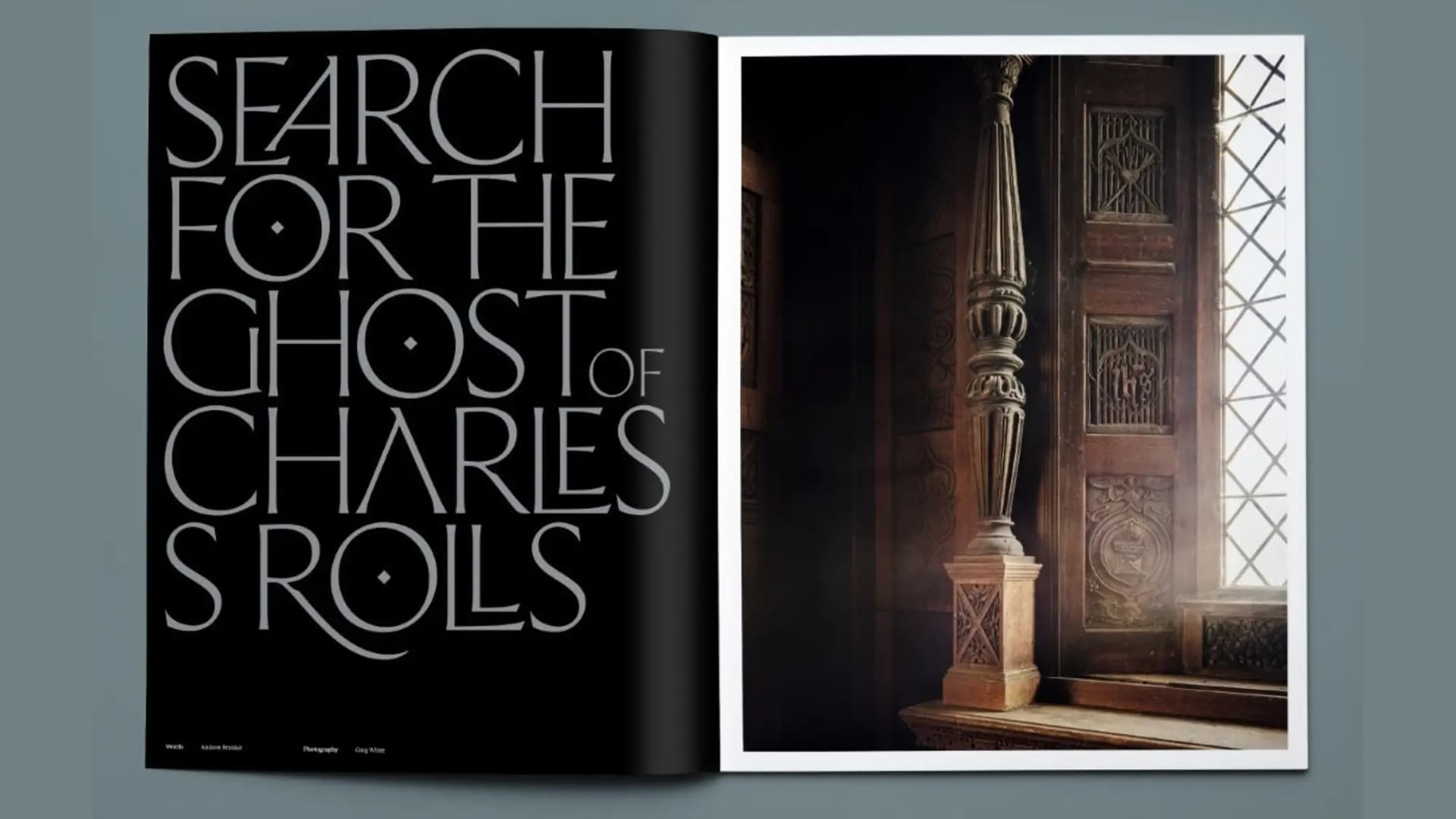
Ceraph in use for Magneto Magazine

Ceraph in use for Magneto Magazine
▼
▼
Regular
SACHIEL, SHAMSHIEL, RAMIEL,
SANDALPHON, MATARAEL & IREUL
Regular
55
The name has attracted a great deal of mythology. The best-known version is that this was to be Square's final game, and Sakaguchi's final game, before he left the industry — an ending dressed up as a title. Sakaguchi has since given a more prosaic account more than once: he wanted a title that abbreviated to two Fs, his first choice was unavailable, and "Final" fit the mood of a company that might not survive the year.
Regular
30
Final Fantasy shipped for the Famicom on 18 December 1987. It sold around 400,000 copies in Japan, which was enough to save the company outright and to guarantee a sequel. Sakaguchi directed and wrote the scenario, Nasir Gebelli — an Iranian-American programmer Square had recruited out of the American Apple II scene — did the programming, Yoshitaka Amano provided the illustrations and the logo, and a young musician named Nobuo Uematsu wrote the score. That combination of people, assembled by accident for a rescue project, defined the next fifteen years of Japanese role-playing games.
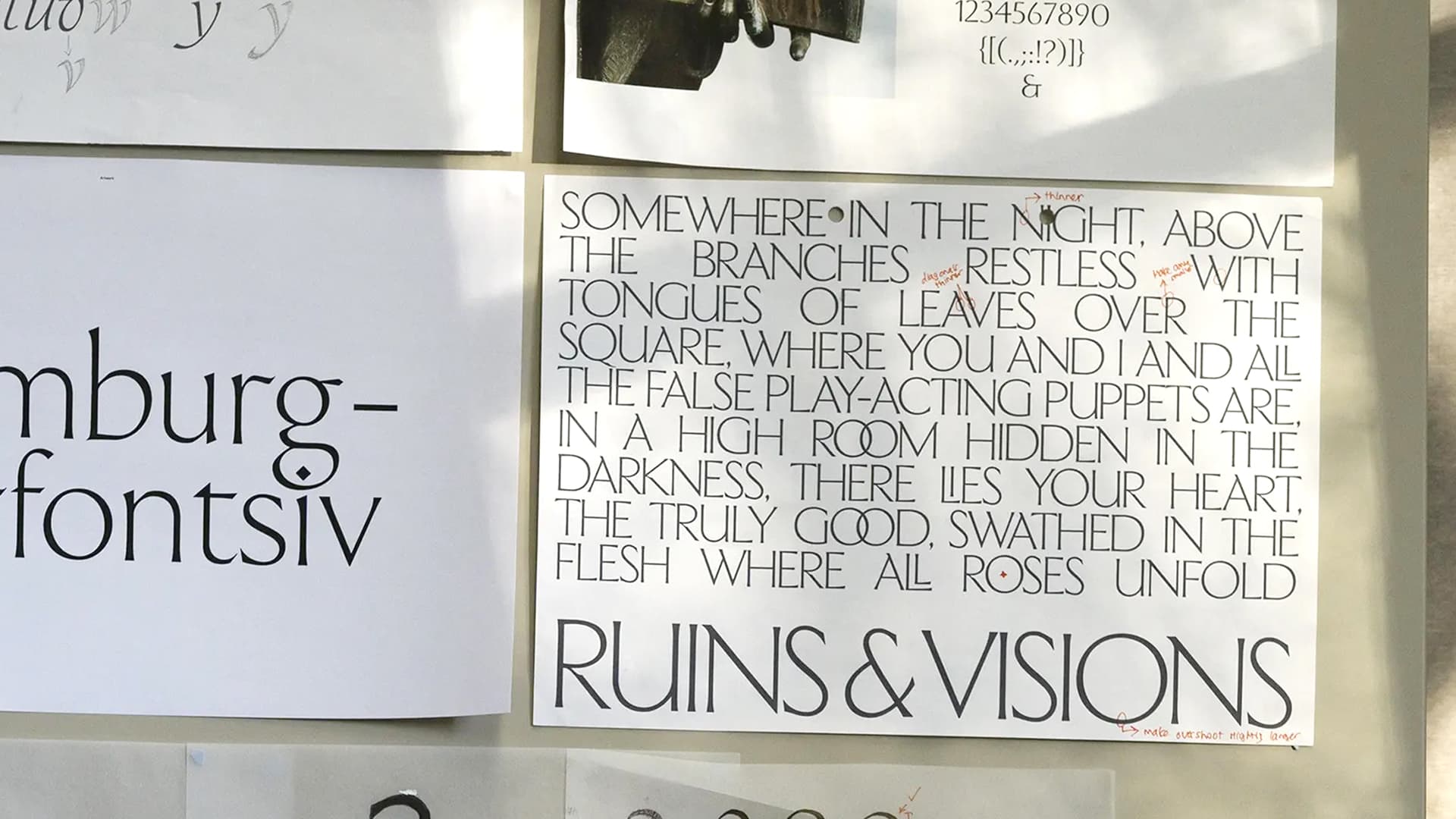
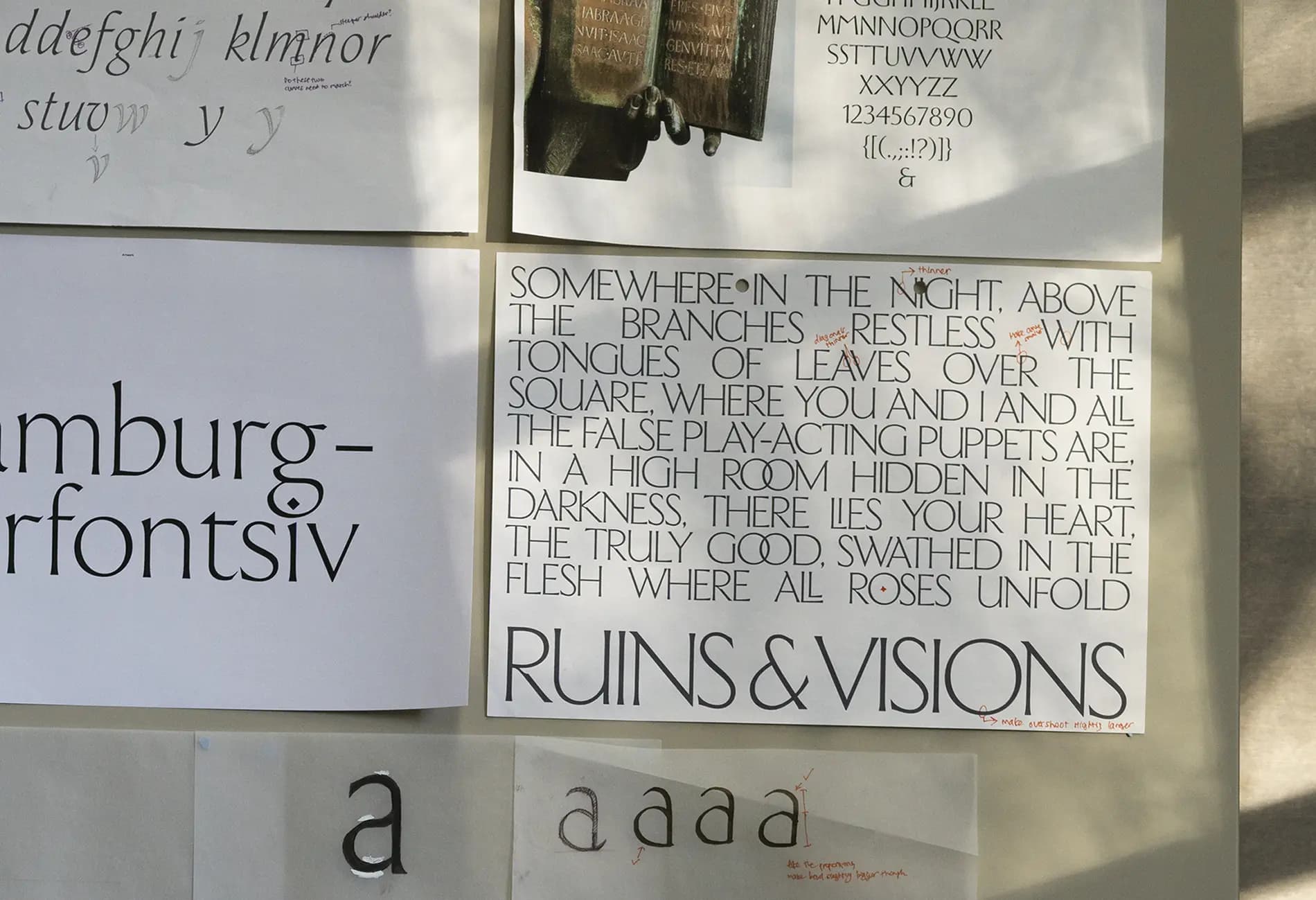
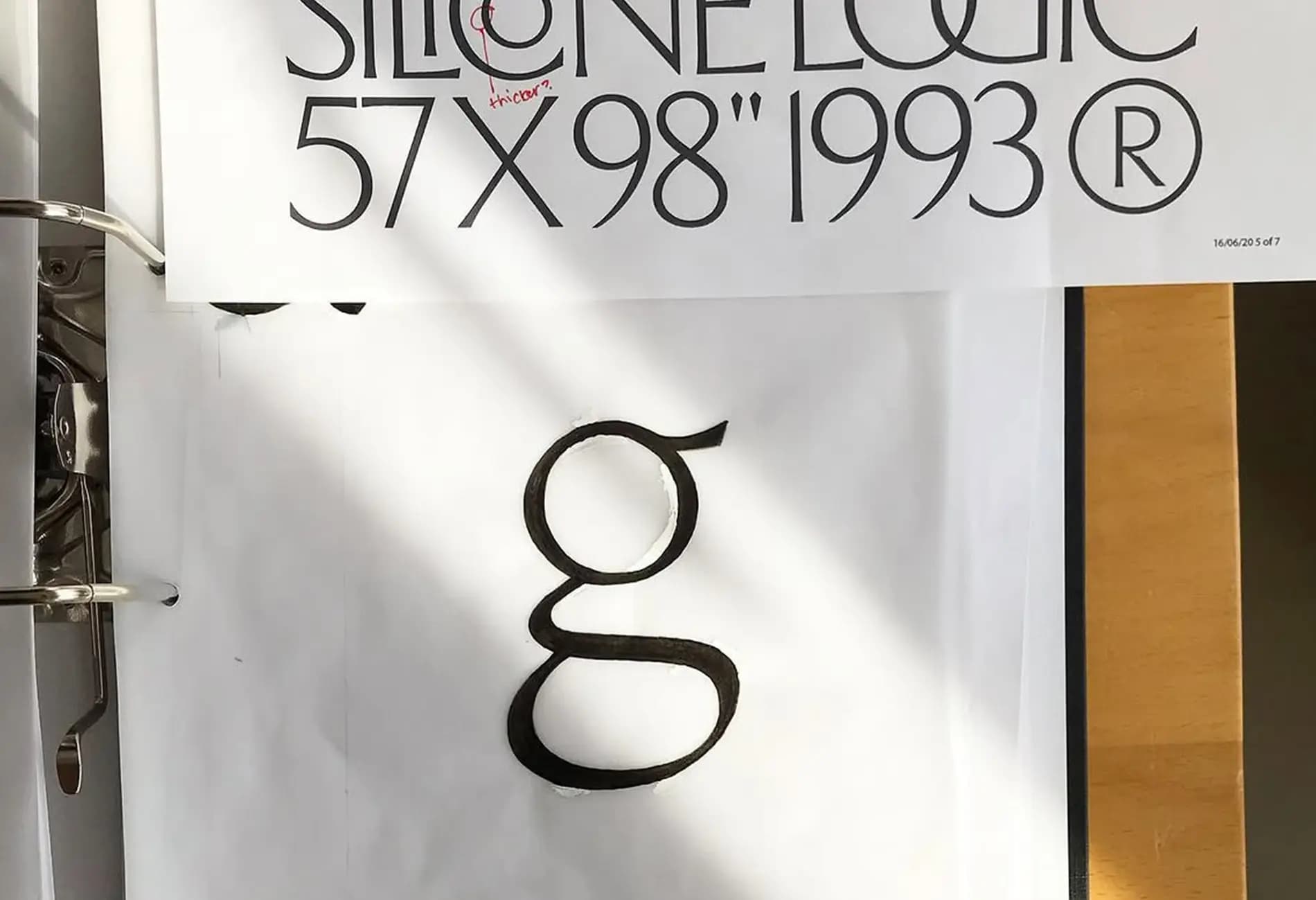
Early sketches of Ceraph by Emma Piercy
Regular
20
High-definition development turned out to be brutally expensive. Square Enix had no engine ready for it, built one — Crystal Tools — while simultaneously building the game on top of it, and spent years producing assets for a project whose shape kept moving. The result was a game that stripped away almost everything the series had accumulated: no towns, no exploration, no party control beyond the leader, and roughly twenty hours of linear corridor before the world opens. The Paradigm system underneath is genuinely good — fast, aggressive, built around staggering enemies and hot-swapping party roles — but it is buried under an opening that refuses to explain itself and a story told largely in an in-game glossary. The seventh game was initially in development for the Nintendo 64. Square abandoned it. The N64 used cartridges, which were expensive and small; Sony's PlayStation used CDs, which were cheap and held hundreds of megabytes of pre-rendered backgrounds and full-motion video. Square's defection in 1996 was the single most damaging blow the N64 took, and it poisoned the Square–Nintendo relationship for most of a decade. Final Fantasy games did not return to Nintendo home hardware in any meaningful way until much later. Final Fantasy
Italic
20
The seventh game was initially in development for the Nintendo 64. Square abandoned it. The N64 used cartridges, which were expensive and small; Sony's PlayStation used CDs, which were cheap and held hundreds of megabytes of pre-rendered backgrounds and full-motion video. Square's defection in 1996 was the single most damaging blow the N64 took, and it poisoned the Square–Nintendo relationship for most of a decade. Final Fantasy games did not return to Nintendo home hardware in any meaningful way until much later. Final Fantasy VII shipped in Japan on 31 January 1997 and in North America that September. It was the first mainline entry designed for 3D, using polygonal characters over pre-rendered 2D backdrops, with cinematic cutscenes cut in — a compromise that looked extraordinary at the time and dates badly now, and which is why the Remake project exists. The seventh game was initially in development for the Nintendo 64. Square abandoned it. The N64 used cartridges, which were expensive and small; Sony's PlayStation used CDs, which were cheap and held hundreds of megabytes of pre-rendered backgrounds and full-motion video. Square's defection in 1996 was the single most damaging blow the N64 took, and it poisoned the Square–Nintendo relationship for most of a decade. Final Fantasy games did not return to Nintendo home hardware in any meaningful way until much later. Final Fantasy
▼
▼
Light
MAN-MADE BODIES, ANIMATED
BY AN INSERTED SOUL
Light
55
The Christian imagery is the surface. The structure underneath is largely Shinto and Japanese folk religion, which is why the show reads as strange rather than blasphemous to a Japanese audience and as the reverse to a Western one.
Light
30
The Evangelions are best understood as kami rather than as machines. A soul is placed inside a constructed body, which is then restrained, masked and ritually managed by people who are frightened of it. Unit-01 is not a vehicle that malfunctions; it is a god that occasionally decides to act, and when it does, the humans can only wait. That relationship — the housed spirit, the shintai that must be handled correctly, the armour that is a binding rather than a protection — is Shinto practice rendered as engineering. The Eva designs also draw on the oni of Japanese folklore, horned demons with teeth and staring eyes, which is why the units look wrong in a way that Gundam does not.
Light
30
The geography is real and religiously loaded. Tokyo-3 stands at Hakone, a volcanic caldera in the Fuji-Hakone region long associated with shrines and with passage between worlds; the Geofront under it is an inverted sacred space, and the lake, mountains and cable-car network in the show correspond closely to the actual landscape. The naming convention is another layer: Akagi, Katsuragi, Ayanami, Soryu, Ikari and Fuyutsuki are all Imperial Japanese Navy ships, mostly from the Pacific War, which gives the cast a submerged national history — every character carries the name of something that sank.
Light
20
Shirō Sagisu wrote most of the score and has stayed with the franchise for thirty years. The soundtracks charted extremely well — the third album topped Oricon's 1997 sales ranking — and he took the Animation Kobe award for best music score that year. His method is a lot of small, reusable cues built on jazz-inflected strings and brass, plus a handful of pieces that do enormous structural work: the leitmotif that plays whenever something irreversible happens, the Bach and Handel quotations, and Beethoven's Ninth in episode twenty-four, where a hymn to universal brotherhood is sung by the creature who has to die for humanity to continue. "A Cruel Angel's Thesis", performed by Yōko Takahashi with lyrics by Neko Oikawa and arrangement by Toshiyuki Ōmori, is one of the most durable pop songs Japan produced in the 1990s. It won Animage's best song award in 1996 and, fifteen years later, took a JASRAC award purely on the royalties it kept generating from karaoke and pachinko. The mismatch between its major-key exuberance and the show it introduces is now part of the joke, and part of the point.
Light
20
The stylistic inheritance is everywhere: Serial Experiments Lain, RahXephon, Gasaraki, Boogiepop Phantom, Texhnolyze, Blue Submarine No. 6, Martian Successor Nadesico, Gurren Lagann, and in games most obviously Xenogears. Rei's design and affect spawned an entire character type. Makoto Shinkai and Gege Akutami have both named the series as formative. Anno's own hard-cut title cards and telephoto stillness became a house style for a generation of directors who never worked at Gainax. The franchise did not stop when Anno finished with it. At the Evangelion:30+ anniversary festival at Yokohama Arena, 21–23 February 2026, Khara premiered a new thirteen-minute short centred on Asuka, planned, written and supervised by Anno, and then announced an entirely new Evangelion television series — teased as the "Next Genesis." Yoko Taro, the writer behind NieR:Automata, is handling series composition and screenplay; Kazuya Tsurumaki and Tōko Yatabe are directing; Keiichi Okabe is composing; Khara and CloverWorks are animating. No release date has been given.

▼
▼
Thin
IT IS SAID THAT TOLKIEN BEGAN
WITH THE MAP TO BUILD THE STORY
Thin
55
Middle-earth is not a planet. It is a continent — the central landmass of a world called Arda, and the name itself is an English one, from the medieval middangeard, the inhabited lands lying between the sea and the unreachable regions beyond. Tolkien was explicit that this was meant to be our own world at an imaginary period in the past, not an alternative one.
Thin
30
Two catastrophes shaped the map the reader is given. The first was the War of Wrath at the end of the First Age, which broke and drowned Beleriand — the entire region where The Silmarillion takes place, containing Doriath, Nargothrond, Gondolin and Menegroth. It lies under the sea west of the Blue Mountains, and essentially nothing of it survives into the Third Age except the Blue Mountains themselves and a few refugee bloodlines. The Shire sits a few hundred miles east of a drowned world.
Thin Italic
30
The second was the Downfall of Númenor at the end of the Second Age, after which the world was made round and Aman removed from the circles of the world altogether. Before that, according to the legends, the world was flat and a mortal ship could in principle reach the West. Afterwards only the Straight Road remains, available to Elven ships and to the few mortals granted passage — which is what the Grey Havens at the end of the book are for. The Shire occupies a small green pocket of it: about forty leagues from the Far Downs to the Brandywine Bridge, divided into four Farthings, with the Old Forest and the Barrow-downs on its eastern flank and Bree just beyond. It is the most densely detailed region on the map — mills, inns, farms, a functioning postal service — and it is drawn from English countryside of roughly 1890, which Tolkien knew as a boy at Sarehole outside Birmingham before the city swallowed it
Related Articles
Related Articles
Emma Piercy’s elegant flared serif gets the expansion pack treatment
Loading…
case
Case-Sensitive Forms
dlig
Discretionary Ligatures
dnom
Denominators
frac
Fractions
liga
Standard Ligatures
lnum
Lining Figures
locl
Localized Forms
numr
Numerators
onum
Oldstyle Figures
ordn
Ordinals
ss01
Alternate A
ss02
Alternate I
ss03
Alternate O
ss04
Alternate g
ss05
Alternate j
ss06
Uncial h n m t u
ss07
Alternate paragraphe
ss08
Alternate N swash
ss09
Alternate N Swash 2
ss10
Alternates d l swash
subs
Subscript
sups
Superscript
swsh
Swash
Abron, Acheron, Achinese, Acholi, Achuar-Shiwiar, Adangme, Afar, Afrikaans, Aguaruna, Alekano, Aleut, Algonquin, Amahuaca, Amarakaeri, Amis, Anaang, Andaandi, Anufo, Anuta, Ao Naga, Apinayé, Arabela, Aragonese, Arbëreshë Albanian, Arvanitika Albanian, Asháninka, Ashéninka Perené, Asu (Tanzania), Atayal, Awa-Cuaiquer, Baatonum, Bafia, Balinese, Bambara, Banjar, Baoulé, Bari, Basque, Batak Dairi, Batak Karo, Batak Mandailing, Batak Simalungun, Batak Toba, Bemba (Zambia), Bena (Tanzania), Biali, Bikol, Bini, Bislama, Boko (Benin), Bora, Borana-Arsi-Guji Oromo, Bosnian, Breton, Buginese, Candoshi-Shapra, Caquinte, Caribbean Hindustani, Cashibo-Cacataibo, Cashinahua, Catalan, Cebuano, Central Aymara, Central Kurdish, Central Nahuatl, Cerma, Chachi, Chamorro, Chavacano, Chayahuita, Chiga, Chiltepec Chinantec, Chokwe, Chuukese, Cimbrian, Cofán, Congo Swahili, Cook Islands Māori, Cornish, Corsican, Creek, Crimean Tatar, Croatian, Czech, Danish, Dehu, Dendi (Benin), Dimli, Dutch, Dyula, Eastern Arrernte, Eastern Maninkakan, Eastern Oromo, Efik, Embu, English, Ese Ejja, Esperanto, Ewondo, Fanti, Faroese, Fijian, Filipino, Finnish, French, Friulian, Ga, Gagauz, Galician, Ganda, Garifuna, Ga’anda, German, Gheg Albanian, Gilbertese, Gonja, Gooniyandi, Gourmanchéma, Guadeloupean Creole French, Gusii, Gwichʼin, Haitian, Hani, Hiligaynon, Ho-Chunk, Hopi, Huastec, Hungarian, Hän, Icelandic, Ido, Idoma, Iloko, Inari Sami, Indonesian, Interglossa, Interlingua, Interlingue, Irish, Istro Romanian, Italian, Ixcatlán Mazatec, Jamaican Creole English, Javanese, Jenaama Bozo, Jola-Fonyi, K'iche', Kabuverdianu, Kaingang, Kala Lagaw Ya, Kalaallisut, Kalenjin, Kamba (Kenya), Kaonde, Karelian, Kashubian, Kekchí, Kenzi/Mattokki, Khasi, Kikuyu, Kimbundu, Kinyarwanda, Kirmanjki, Kituba (DRC), Klingon, Kongo, Konzo, Koyra Chiini Songhay, Koyraboro Senni Songhai, Krio, Kuanyama, Kven Finnish, Kölsch, Ladin, Ladino, Langi, Latgalian, Ligurian, Lingala, Lithuanian, Lojban, Lombard, Low German, Lower Sorbian, Luba-Katanga, Luba-Lulua, Lule Sami, Luo (Kenya and Tanzania), Luxembourgish, Macedo-Romanian, Makhuwa, Makhuwa-Meetto, Makonde, Makwe, Malagasy, Malaysian, Maltese, Mamara Senoufo, Mandinka, Mandjak, Mankanya, Manx, Maore Comorian, Maori, Mapudungun, Masai, Matsés, Mauritian Creole, Mende (Sierra Leone), Meriam Mir, Meru, Metlatónoc Mixtec, Mi'kmaq, Minangkabau, Mirandese, Moba, Mohawk, Montenegrin, Munsee, Murrinh-Patha, Murui Huitoto, Mwani, Mískito, Naga Pidgin, Ndonga, Neapolitan, Ngazidja Comorian, Niuean, Nobiin, Nomatsiguenga, North Ndebele, Northern Kissi, Northern Kurdish, Northern Qiandong Miao, Northern Sami, Northern Uzbek, Northwestern Ojibwa, Norwegian, Novial, Nyamwezi, Nyanja, Nyankole, Nyemba, Nzima, Occitan, Ojitlán Chinantec, Orma, Oroqen, Palauan, Paluan, Pampanga, Papantla Totonac, Papiamento, Pedi, Picard, Pichis Ashéninka, Piemontese, Pijin, Pintupi-Luritja, Pipil, Pohnpeian, Polish, Portuguese, Potawatomi, Purepecha, Páez, Quechua, Romanian, Romansh, Rotokas, Rundi, Rwa, Samburu, Samoan, Sango, Sangu (Tanzania), Saramaccan, Sardinian, Scots, Scottish Gaelic, Sena, Seri, Seselwa Creole French, Shambala, Sharanahua, Shawnee, Shilluk, Shipibo-Conibo, Shona, Shuar, Sicilian, Silesian, Slovak, Slovenian, Soga, Somali, Soninke, South Ndebele, Southern Aymara, Southern Bobo Madaré, Southern Dagaare, Southern Qiandong Miao, Southern Sami, Southern Sotho, Spanish, Sranan Tongo, Standard Estonian, Standard Latvian, Standard Malay, Sundanese, Susu, Swahili, Swati, Swedish, Swiss German, Syenara Senoufo, Tagalog, Tahitian, Taita, Tasawaq, Tedim Chin, Tetum, Tetun Dili, Tiv, Tiéyaxo Bozo, Toba, Tok Pisin, Tokelau, Toki Pona, Tonga (Tonga Islands), Tonga (Zambia), Tosk Albanian, Tsonga, Tswana, Tumbuka, Turkish, Turkmen, Tuvalu, Twi, Tzeltal, Tzotzil, Uab Meto, Umbundu, Ume Sami, Upper Guinea Crioulo, Upper Sorbian, Urarina, Venetian, Veps, Volapük, Võro, Waama, Walloon, Walser, Wamey, Wangaaybuwan-Ngiyambaa, Waorani, Waray (Philippines), Warlpiri, Wasa, Wayuu, Welsh, West Central Oromo, West-Central Limba, Western Abnaki, Western Frisian, Wik-Mungkan, Wiradjuri, Wolof, Xavánte, Xhosa, Yagua, Yanesha', Yangben, Yanomamö, Yao, Yapese, Yindjibarndi, Yucateco, Zarma, Zulu, Záparo